







Search Results for: Grind Parameters
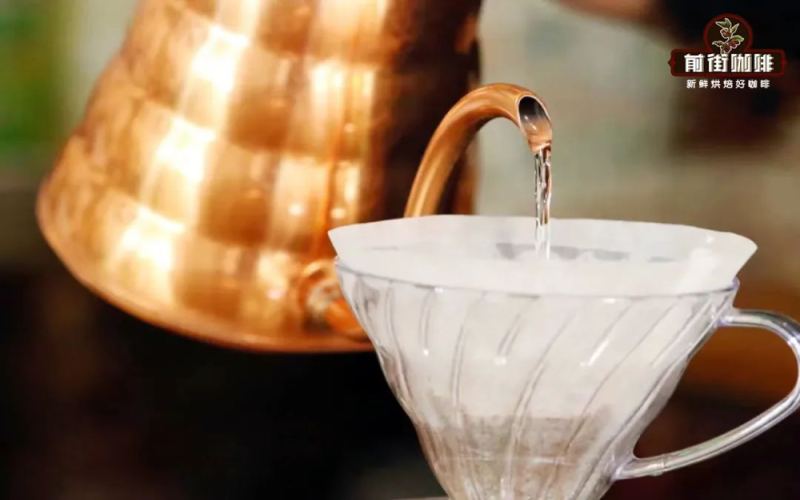
A Complete Analysis of Pour-Over Coffee Parameters: Scientific Adjustment Approaches to Coffee-to-Water Ratio, Grind Size, Water Temperature, and Time
Many coffee enthusiasts make a point of visiting Front Street Coffee, drawn not only by the impressive variety of coffee beans but also by the baristas' brewing skills, which never fail to impress. When it comes to brewing a great cup of coffee, does it ultimately come down to hands-on technique or mental understanding? Front Street Coffee believes that water flow control and pouring are merely the basics. What truly determines the flavor direction is a deep understanding of the four key parameters: grind size, coffee-to-water ratio, water temperature, and time. This article will systematically lay out ways to improve your pour-over skills, from the interconnected relationships between parameters and methods for categorizing coffee bean characteristics to practical tips for keeping brewing records. Whether you are a beginner just getting into pour-over or an experienced brewer looking to break through a plateau, you'll find actionable guidance here. [more…]
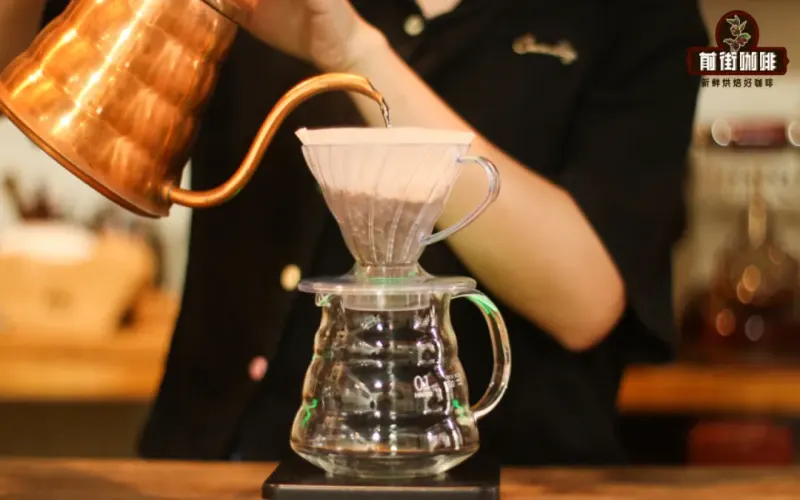
A Complete Guide to Pour-Over Coffee Grind Parameters: Differences in Water Temperature, Coffee-to-Water Ratio, and Grind Size Between Dark and Light Roasts
When brewing pour-over coffee, water temperature, water volume, grind size, and time are the four key factors that determine extraction. Among them, grind size is often the most easily misjudged because it cannot be directly observed—too fine or too coarse will throw the flavor off balance. This article starts with methods for judging grind size, explaining how to calibrate it using a No. 20 sieve, drawdown speed, and taste feedback, and compiles the three grind settings Front Street Coffee uses for light-roasted, anaerobic, and dark-roasted beans, including their respective passing rates through the sieve, water temperatures, and coffee-to-water ratios, while also offering grind adjustment advice for iced pour-over, helping enthusiasts build a stable, reusable brewing framework. [more…]
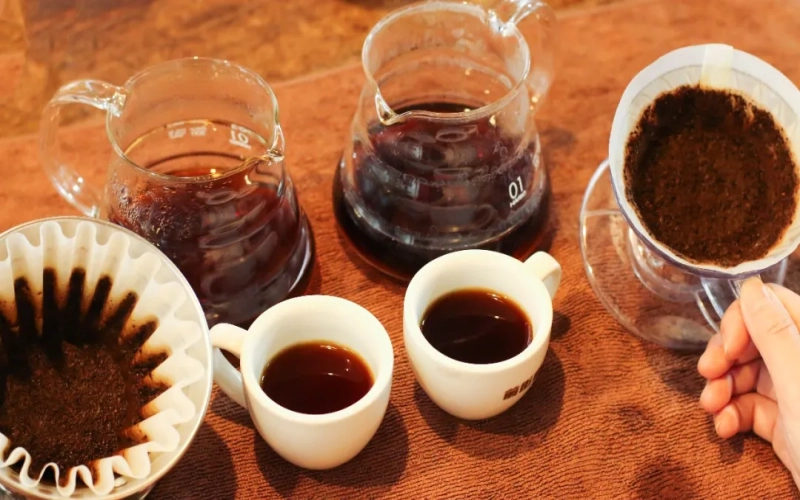
How Does Fine Grind Fast Extraction Differ from Coarse Grind Slow Extraction? A Full Analysis of Pour-Over Parameters and Flavor Differences
Among the many variables that affect extraction results, the combination of grind size and extraction time has long been a subject of debate. This article compares two approaches—"fine grind, fast brew" and "coarse grind, slow brew"—analyzing their differences in flavor complexity, body, and balance. Drawing on the actual brewing parameters for Front Street Ethiopia Huakui, it demonstrates the procedures for fine grind with a short time and coarse grind with a long time, helping coffee enthusiasts understand the applicable scenarios and room for adjustment for each approach. [more…]
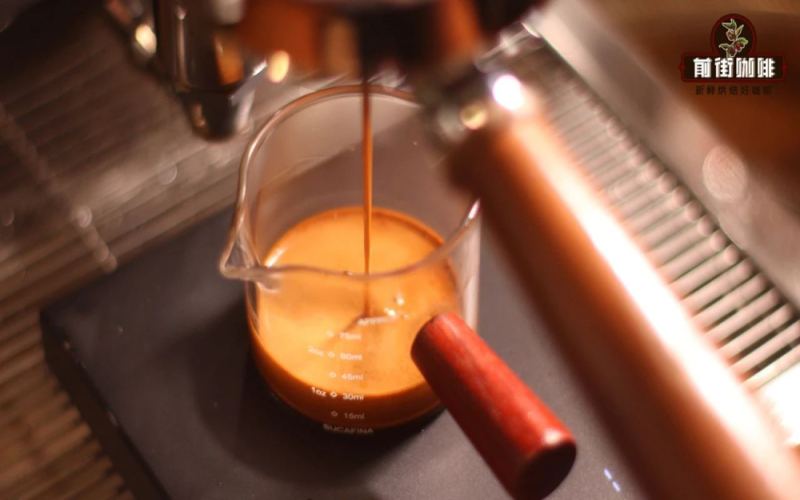
Espresso Extraction Recipe Adjustment Guide: From Grind Size to Dose-Yield Ratio, Quickly Find Great-Tasting Parameters
Making espresso at home with an espresso machine is most frustrating when it comes to dialing in parameters—one careless move and half a bag of beans is gone. Even professional baristas, when facing a new espresso blend, often need to pull seven or eight shots before finding a satisfying flavor. Actually, the key to taking fewer detours and quickly dialing in to a tasty state is to understand what impact each parameter change will bring. Based on Front Street Coffee's hands-on experience, this article sorts out the three major adjustable variables—grind size, dose, and yield—and, combined with the 1:2 brew ratio and 25-30 second extraction framework, teaches you how to judge the grind setting through timing differences, and gives specific adjustment directions for common problems such as burnt-bitterness and short aftertaste. [more…]
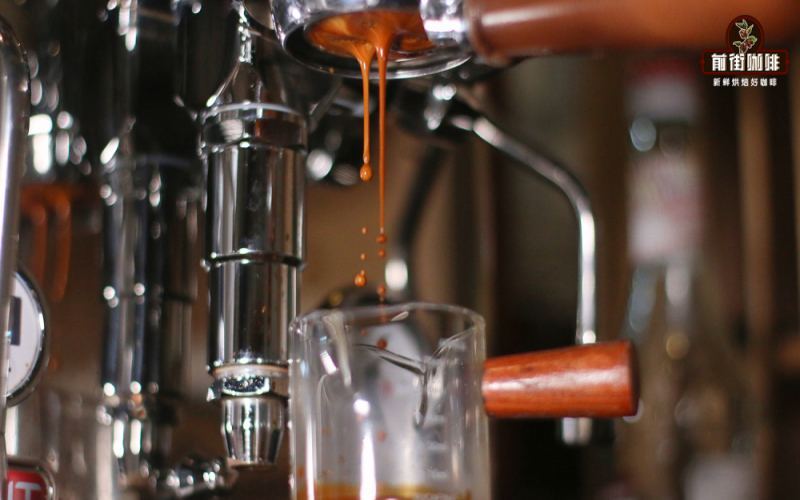
Espresso Extraction Ratios and Grind Size Explained: Dose-to-Yield Ratio, Flow Rate Adjustment, and Front Street Practical Parameters
Espresso is a taste treasure Italy has gifted to the world—briefly extracted, yet it concentrates the very essence of coffee. To obtain a qualified Espresso, parameters such as grind size, water temperature, extraction time, and dose-to-yield ratio are all indispensable, among which the extraction ratio and grind coarseness are especially critical. This article will systematically explain the dose-to-yield ratio range for espresso, the influence of grind coarseness on flow rate and flavor, and how to respond to extraction changes by adjusting dose, grind setting, and yield weight. The article also includes the practical parameters from Front Street Coffee's store and the flavor performance of the "Front Street Sunflower Warm Sun Blend Coffee Beans" for coffee enthusiasts' reference. [more…]
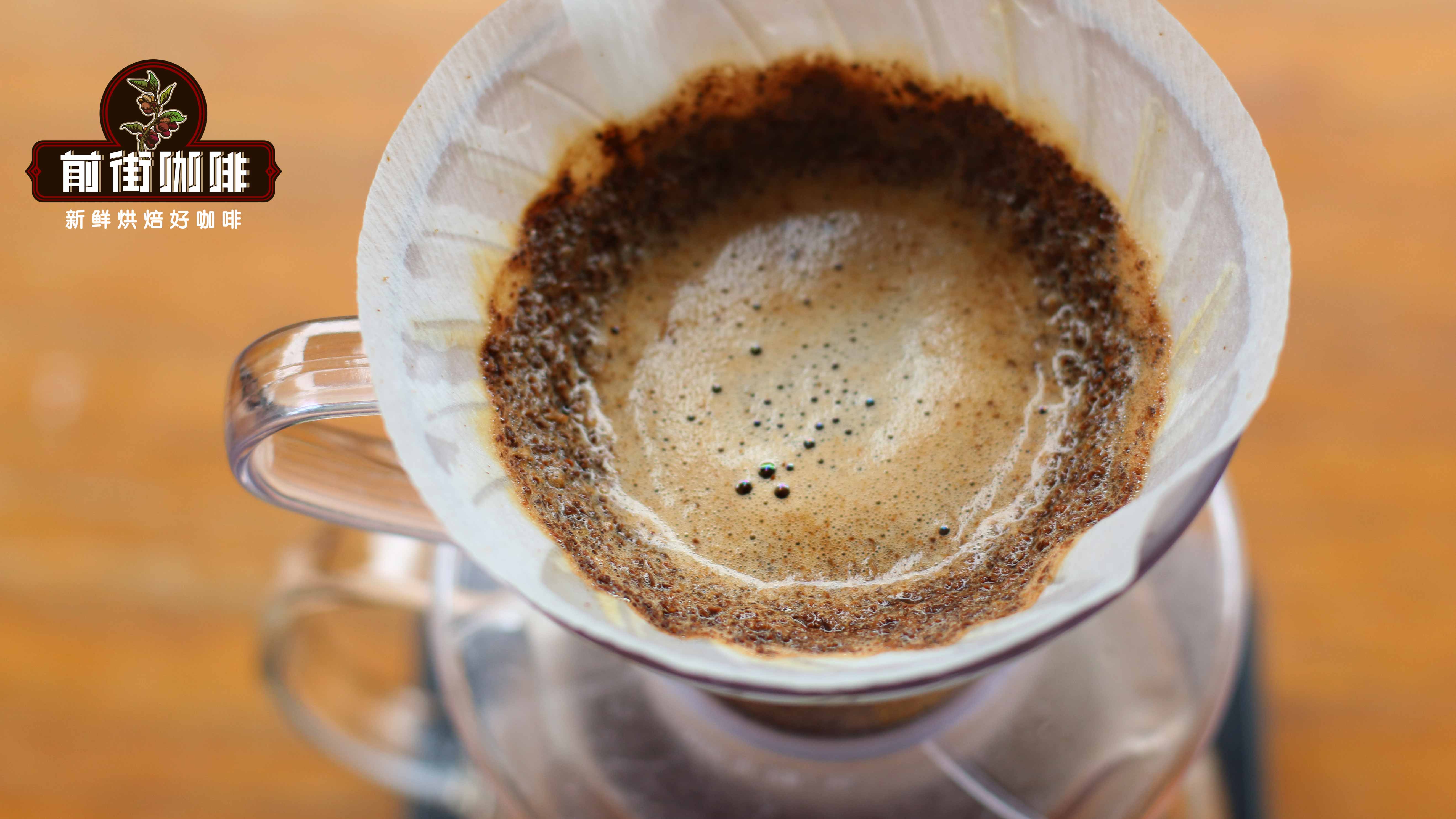
Pour-over coffee knowledge | How can coffee novices improve the quality of their pour-over coffee? How to understand coffee server parameters? How to identify the characteristics of coffee bean origins, varieties, and roast levels?
Many friends have come to visit Front Street Coffee, drawn by its reputation. Besides marveling at the wide variety of coffee beans, they also greatly admire the baristas' brewing skills. Among them, many want to discuss pour-over brewing with the baristas. So Front Street Coffee takes this opportunity to share some thoughts on how to improve coffee brewing skills. Before that, Front Street Coffee asked [more…]
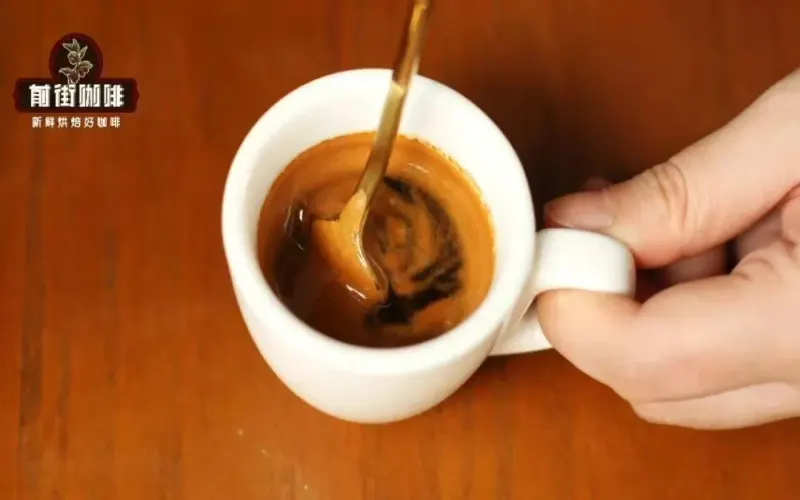
Why Is the Espresso Extraction Ratio Locked at 1:2? A Guide to Adjusting the Three Key Parameters: Dose, Grind, and Time
Many people new to espresso often run into this confusion: they follow the popular online formula of 18g of grounds yielding 36ml of liquid, yet the coffee tastes sharp and stings the tongue—clearly under-extracted—and they have no idea whether to adjust water temperature, pressure, water volume, or grind. In fact, dialing in espresso isn't complicated; you just need to focus on three core parameters: dose, brew ratio, and the interplay of time and grind. Dose and ratio usually don't change much—what really needs repeated fine-tuning is the grind setting. Drawing on Front Street's practical experience, this article explains why 1:2 is considered the golden ratio for espresso, how to use the roughly 30-second extraction window to judge whether your grind is right, and how to make precise corrections through dose and yield when the flavor goes off—helping beginners quickly build a clear, workable approach to espresso extraction. [more…]
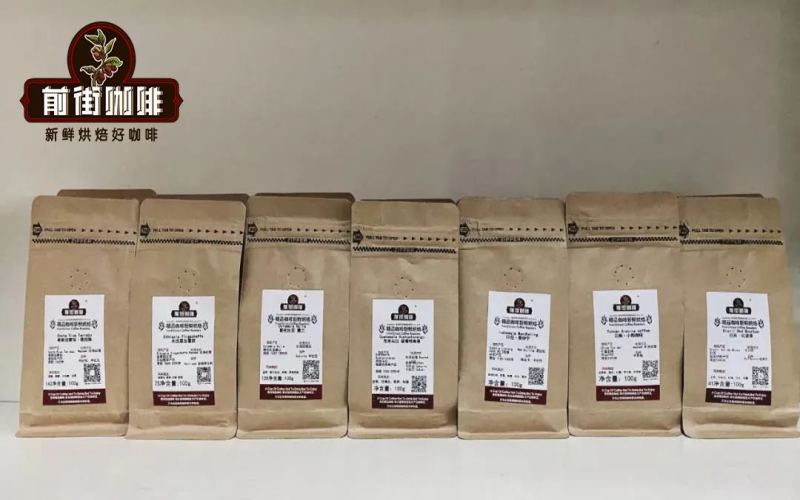
Pour-Over Coffee Brewing Method | How to Grind Coffee Beans and Brew Delicious Coffee at Home: Pour-Over Water Quality and Grind Size Parameters
In recent years, with the rise of the specialty coffee wave, more and more people choose to buy beans and take them home to brew a cup of coffee for themselves, enjoying a leisurely moment. But everything is hard at the beginning, and many beginners wonder, "The coffee I drank in your shop was so good, why can't I brew the same flavor when I go home?" Part of the reason [more…]

How do you make cold brew coffee taste great? Master the three key parameters: grind size, coffee-to-water ratio, and steeping time.
Cold brew, put simply, is made by mixing ground coffee with water and letting it sit in the refrigerator. The barrier to entry isn't high. So why does the cold brew so many people make always come out thin and flavorless? The problem usually lies in imprecise parameters. Grind size, coffee-to-water ratio, and steeping time—these three variables directly determine the strength and flavor direction of a cup of cold brew. Grind too coarse and the flavor won't extract; add too much water and the concentration gets diluted; not enough time and the compounds won't dissolve sufficiently. This article will break down how to set these three core parameters one by one, and offer guidance on choosing beans—for a juicy character, choose a light roast; for more concrete, vivid flavors, choose a heavily fermented process; for a heavier mouthfeel, choose a medium-dark or dark roast. I'll also share a little trick: dark-roast beans with osmanthus. [more…]
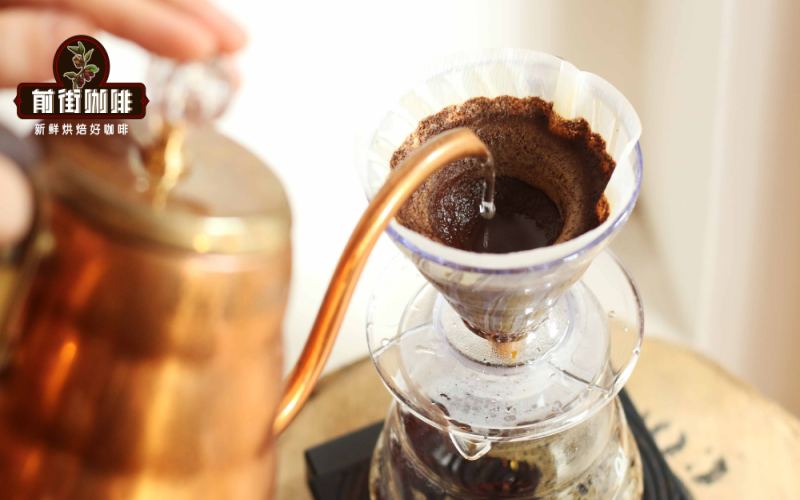
Low-Temperature Fine-Grind Slow-Pour Method Practical Guide: Pour-Over Extraction Parameters and Flavor Comparison Using 50°C Water with Moka Pot Grind
The joy of pour-over coffee lies in the fact that with the same bean, a different extraction approach can produce a completely different flavor in the cup. Today I'll share a special method called "low-temperature fine-grind slow pour," inspired by automatic cold brew machines—grinding the coffee to a fineness close to espresso, then using low-temperature water to extract slowly. This approach both releases the coffee's flavors more completely and effectively avoids over-extraction. Below, using Front Street. Blackberry as an example, I'll break down the grind parameters, pouring technique, and extraction ratio in detail, compare the flavor with a conventional pour-over method, and include notes from actual practice for coffee enthusiasts to try. [more…]
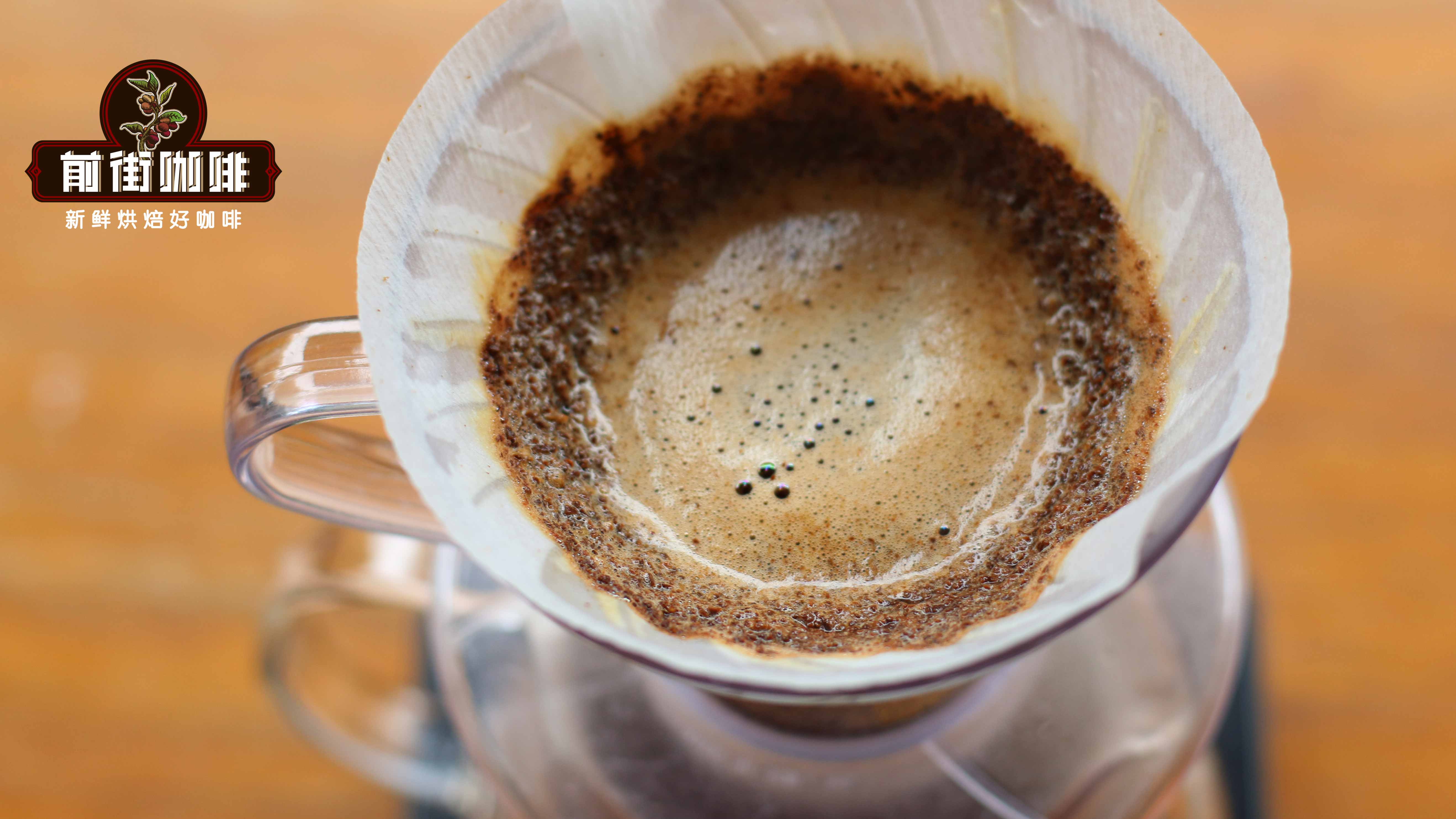
From pouring techniques to parameter records: practical approaches to systematically improve pour-over coffee across four dimensions
Many coffee enthusiasts come to Front Street Coffee, and besides being amazed by the rich bean list, they are also full of curiosity about the barista's brewing technique. Does pour-over rely on hand strength or brainpower? The answer is actually the latter. Water control and circular pouring are just basic entry-level skills. What truly determines the quality of a cup of coffee is the understanding of the relationships among parameters such as grind size, coffee-to-water ratio, water temperature, and time, as well as knowledge of the coffee bean's producing region characteristics and roast level. Starting from Front Street Coffee's brewing practice, this article sorts out four directions for improvement: solid pouring training, establishing parameter logic, categorizing bean characteristics, and recording and reviewing after each brew, helping pour-over beginners find a clear path for advancement. [more…]

Is the instability of pour-over coffee flavor just mysticism? Analyzing the extraction science of grind, water temperature, time, and ratio
Many coffee enthusiasts have experienced this confusion: why does the same bean taste different every time it's brewed? Occasionally a stunning cup of coffee is brewed, but it's hard to reproduce afterwards, so some people attribute coffee extraction to "metaphysics." But in fact, extraction is a quantifiable, reproducible scientific process. Water acts as a solvent, dissolving the flavor substances from the coffee grounds, while parameters such as grind size, water temperature, time, and coffee-to-water ratio all directly affect extraction efficiency, and thereby determine the final flavor in the cup. Taking Ethiopia Huakui as an example, Front Street uses 15g of grounds, a 1:15 coffee-to-water ratio, caster sugar grind size, and a two-minute three-pour brewing method to consistently obtain a coffee with balanced acidity and sweetness, carrying citrus, strawberry, and creamy floral aromas. This article will systematically explain how to achieve flavor stability and targeted adjustments by recording and controlling parameters, and explain the scientific logic behind the differences in dissolution rates of sourness, sweetness, bitterness, and saltiness. [more…]
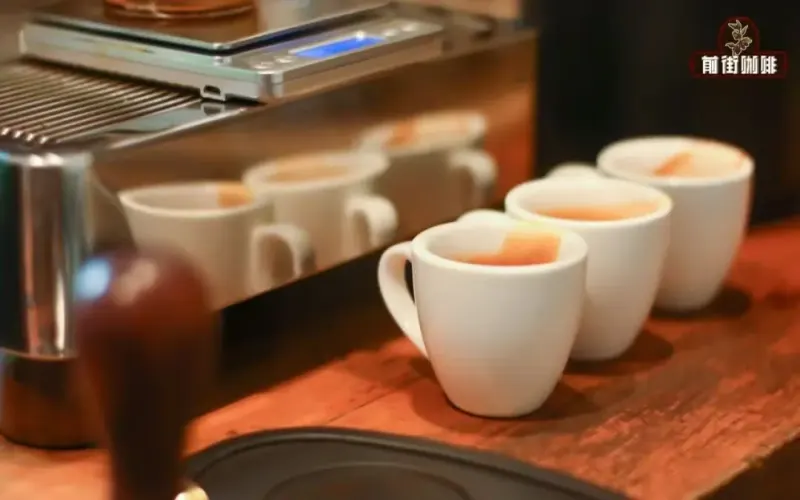
How to Quickly Correct Espresso Flavor? Master the Core Techniques of Espresso Extraction Parameters
Every day the coffee bean condition and the weather keep changing, and the taste of espresso fluctuates along with them. Morning-shift baristas must learn to adjust parameters quickly to keep the output consistent. This article takes a practical approach and teaches you how to judge under-extraction or over-extraction through tasting, use the three variables of dose, grind, and liquid yield, and combine Front Street Coffee's classic blend with its 1:2 coffee-to-water ratio and 30-second extraction formula to dial in the ideal espresso with the three-grind adjustment method or even fewer attempts, reducing waste and saying goodbye to the misery of endless dialing until your head spins. [more…]
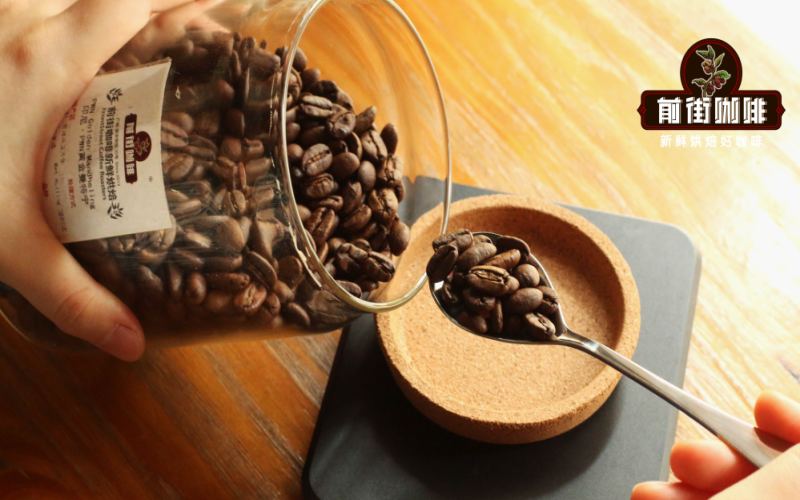
Mandehling Pour-Over Extraction Plan | What Grind Size for Indonesian Mandehling Coffee Beans? V60 Dripper Pour-Over Golden Mandehling Coffee Brewing Water Temperature, Coffee-to-Water Ratio Parameters Introduction
After buying Front Street Coffee's PWN Golden Mandheling coffee beans, a friend asked Front Street, "Why does the taste I brew at home differ from what I drink in the shop? I've already scanned the QR code on the coffee bean packaging and followed your parameters for grinding and brewing. [more…]
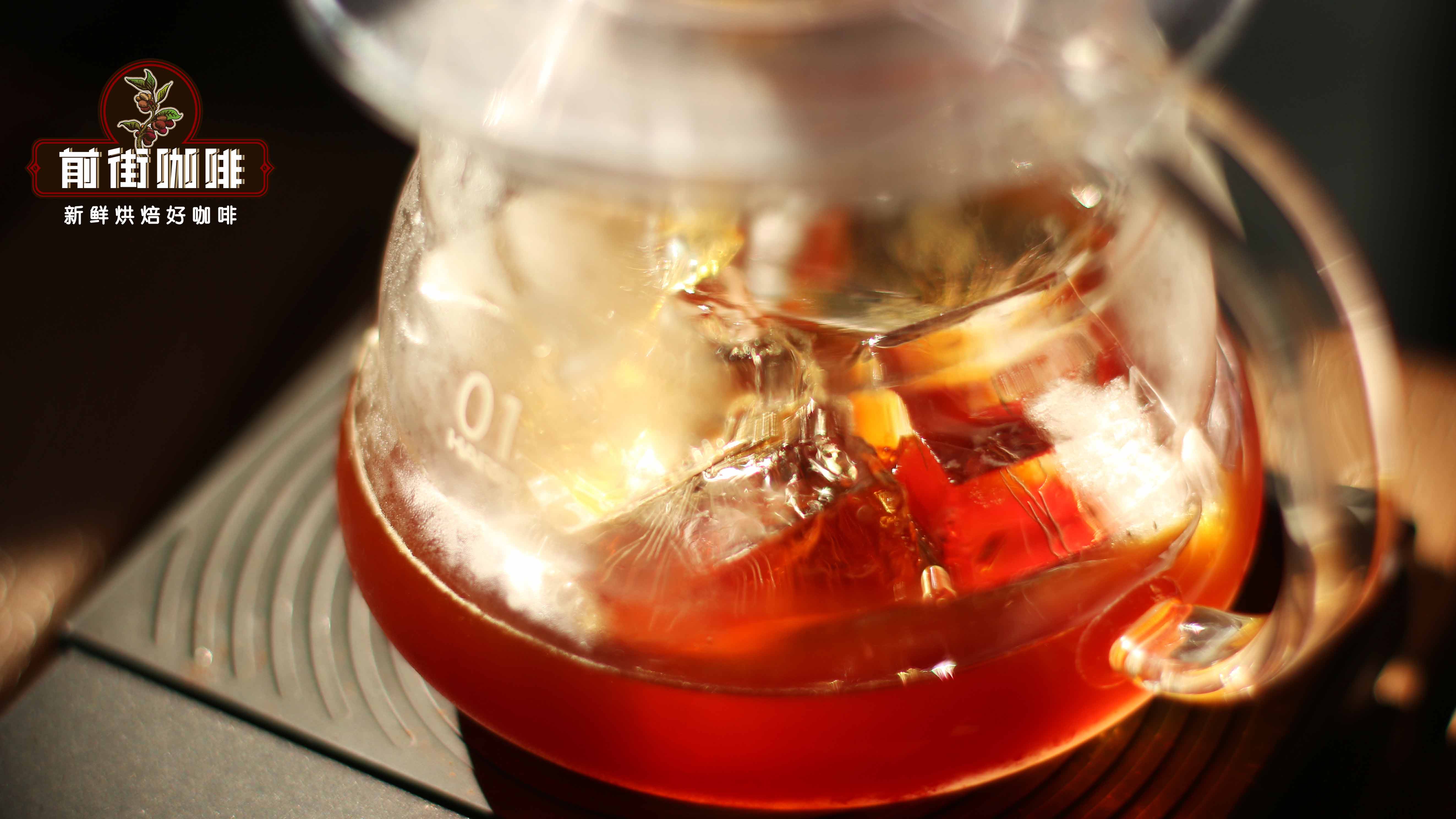
A Complete Guide to Making Iced Pour-Over Coffee: Ratios, Parameters, and Brewing Steps for Rapid-Chill Extraction
Iced pour-over coffee is not simply pouring hot coffee over ice cubes, but a brewing method known as "flash-chilled pour-over"—using ice to rapidly cool the hot coffee liquid in a short time. However, if you directly use the parameters of a regular hot pour-over, the final product often becomes weak and tasteless. To solve this problem, you need to adjust three core parameters: coffee-to-water ratio, grind size, and water temperature. Front Street has summarized a practical formula: coffee grounds (fine grind) + 10 times hot water + 5 times ice. This article will break down the adjustment logic of iced pour-over in detail, offer suggestions on choosing a dripper and coffee beans, and use an Ethiopian natural bean as an example to provide complete brewing parameters and staged pouring steps. [more…]
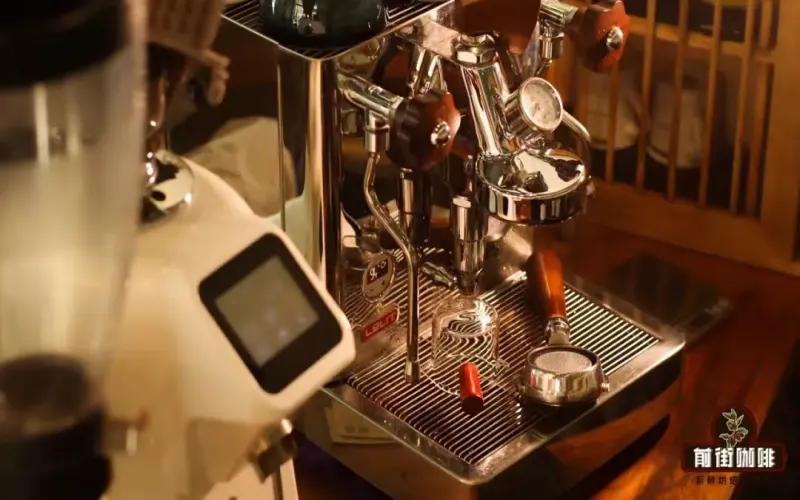
A Complete Guide to Espresso Extraction: Adjusting the Four Key Parameters of Dose, Grind, Brew Ratio, and Time
To make a well-balanced espresso at home, the key is to master a few core variables that affect extraction. Drawing on the practical experience of Front Street Coffee, this article systematically sorts out the relationships among the four main adjustable parameters—dose, grind size, brew ratio, and extraction time—to help readers understand how to decide which direction to adjust based on the taste the espresso presents. It also introduces the basic concept of the Golden Cup standard, explains why choosing a more stable espresso blend can improve the margin for error in home extraction, and lists four distinctive blends from the Front Street bean lineup for reference. [more…]

Why does espresso require regular grind adjustment? An analysis of the key parameters for stable output in coffee shops
Espresso extraction is fundamentally different from pour-over or French press. It relies on an extremely fine grind and 9 bar of high pressure to concentrate flavor compounds in a short amount of time—highly efficient, but also extremely sensitive. The degassing state of the coffee beans, batch-to-batch differences, roast level, and even changes in the weather can all cause extraction results to deviate from expectations. For this reason, many coffee shops regularly calibrate their espresso flavor to ensure consistent output. Drawing on Front Street's hands-on experience, this article explains the necessity of dialing in the grind, the factors that affect extraction, and how to decide whether to adjust parameters based on extraction time and taste evaluation. [more…]
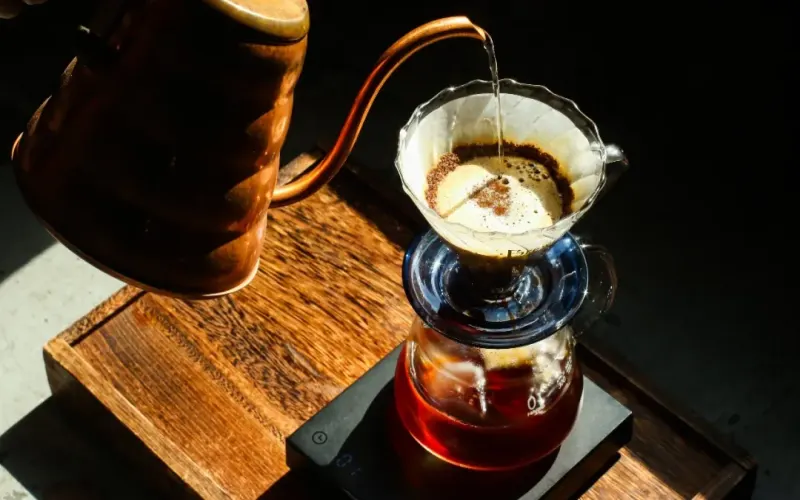
How to Adjust Iced Pour-Over Coffee Parameters? A Full Breakdown of Water Temperature, Ratio, Grind Size, and Bean Selection
Iced pour-over coffee is not simply about pouring hot coffee over ice cubes; it requires targeted adjustments in the coffee-to-water ratio, grind size, water temperature, and pouring method, otherwise it is very easy to end up with a brew that tastes as weak as ice water. Starting from Front Street's hands-on experience, this article first explains the root cause of flavorless iced pour-over—both concentration and extraction yield are too low—and then explains one by one how the parameters change as the water amount is reduced: the coffee-to-water ratio is tightened from 1:15 for hot brewing to 1:10, the grind is made finer by 1–2 settings, the passing rate through a No. 20 sieve increases by about 5%, and staged pouring is used to extend the extraction time to make up for the loss of efficiency caused by the reduced water amount. The article also gives direction on bean selection: natural and anaerobic processing suit rich flavors, while washed processing suits a fresh and clean taste, and it includes Front Street's complete iced pour-over recipe for Ethiopia Hamashu for reference. [more…]
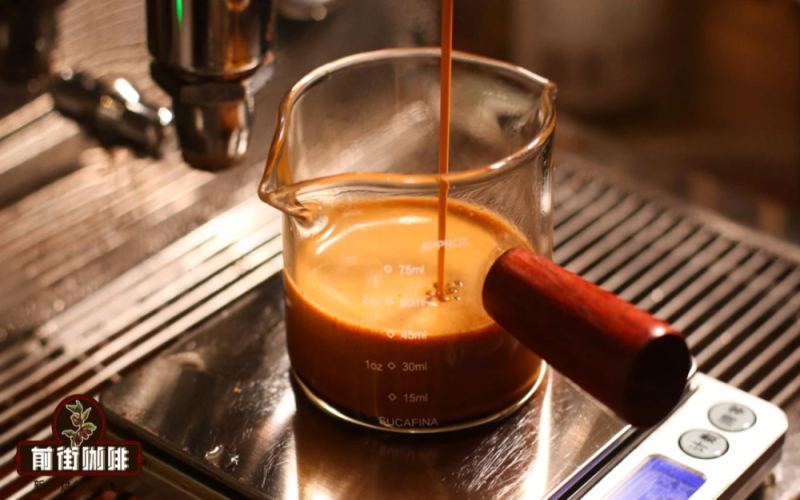
How to Set the Grind Setting for Espresso Beans? A Practical Method for Judging Grind Fineness from Extraction Time and Flavor
Espresso grind size falls between flour and table salt and cannot be judged by the naked eye, but the coarseness of the coffee grounds directly determines the flow rate, so you can work backward to whether the setting is appropriate by observing the extraction time. This article starts from the definition of espresso, sorts out the relationship between grind size and extraction time, explains how to set a target ratio of coffee to liquid, fix pressure and water temperature, and then adjust grind size to reach the target time. It also uses Front Street Coffee's Colombia Sidra coffee beans as a tuning example, showing the adjustment process from 34 seconds—slow with a bitter taste—to 30 seconds with a clear aroma. Finally, it emphasizes that after confirming the grind size, you still need to judge by tasting whether there are defective flavors, and if necessary, make minor adjustments to the dose or parameters. [more…]

A Complete Guide to Espresso Extraction Parameters: Customizing Dose, Ratio, Time, and Grind Size
Espresso extraction is not something that can be mastered with a fixed formula. The freshness of the coffee beans, the grind size, the brand and model of the espresso machine, the extraction pressure, and the stability of the water temperature all cause the same bean to present completely different flavors in different hands. This article starts from the dimensions of dose, brew ratio, extraction time, flow rate, pressure, and water temperature, systematically explaining how to customize a suitable espresso extraction plan for the blend of coffee beans you have on hand. It also introduces how to troubleshoot and adjust one by one when the flow rate is abnormal, and how to use a concentration tester to calculate the extraction yield and determine whether it falls within the golden cup range. The article uses the "Warm Sun" blend from Front Street Coffee as an example, providing specific parameter references, and is suitable for coffee enthusiasts who wish to refine their espresso skills. [more…]